Key facts: CityLine
First moves for a CityLine resident or tenant
- 1
Stop what you can reach
Close the shut-off under a sink or behind a toilet if the source is inside your space.
- 2
Call the emergency maintenance number
Use the number your lease or tenant handbook gives, and leave your unit or suite number.
- 3
Warn your neighbors
Knock on the door below and the doors on each side, because water rarely stops at your own floor.
- 4
Keep clear of wet electrics
Stay away from water near outlets, lights or a ceiling that is sagging.
- 5
Photograph before moving things
Record the room, the source and your belongings, with the time on your phone.
- 6
Report it in writing
Follow your phone call with an email or portal request so there is a dated record.
Stacked CityLine apartments and water from upstairs
Listings name several apartment communities around Cityline Drive and State Street, including SYNC CityLine and Bell CityLine, and reports refer to roughly eight communities in all, so this is the most common kind of home in the district. Apartment buildings tend to stack kitchens, bathrooms and laundry closets above one another so that plumbing can run in a straight line. That is sensible construction, but it also means a failure tends to travel along the same vertical path through the building.
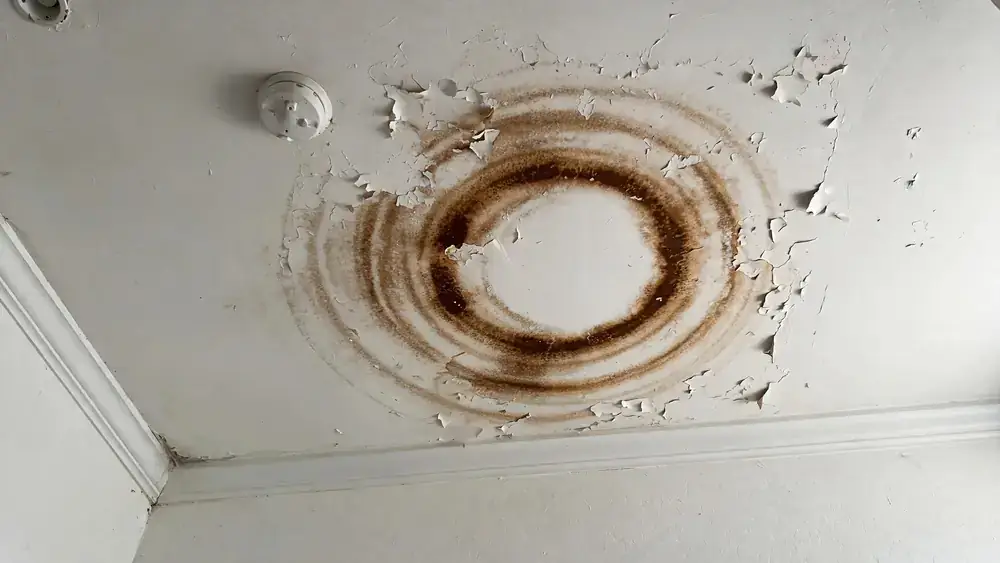
If water appears in your ceiling, the source is often above you but not always directly above you. Water can run along a pipe, a joist or a concrete deck and show up some distance away. It may also be coming from the side, through a shared plumbing wall. Bathroom exhaust fans and ceiling lights are common exit points, since a hole in the ceiling gives water an easy path. If water is dripping from a light fixture, leave the switch alone and tell maintenance about it straight away.
Residents on the top floor have a different concern. Ceiling water there may point to a roof problem or to a mechanical unit above the ceiling. Residents on the ground floor can receive water from every level, as well as anything coming in at the door. Knowing where your unit sits in the stack gives the maintenance team a head start, so mention your floor when you report the leak.
Air conditioning closets inside CityLine apartments
Many apartments keep the air handler and sometimes the water heater in a small interior closet, often beside a bedroom or hallway. In a humid Texas summer an air conditioner produces a steady stream of condensate, and that water leaves through a thin drain line. When the line clogs with algae and dust, the pan fills and spills. Inside an apartment, that overflow does not just wet your own carpet. It can pass through the floor into the ceiling below.
Watch for a musty smell near the closet, damp carpet along the shared wall, or an air conditioner that shuts itself off because a float switch has tripped. Those are small warnings and they deserve a maintenance request rather than a wait. Replacing air filters on schedule helps too, because restricted airflow can make a coil freeze and then drip heavily as it thaws. Read more in the guide to AC leaks and ceiling damage.
If you are away for a long weekend or for work, consider asking management whether anyone can check the closet, and shut off the supply to your washing machine if your unit has one. A slow drip is rarely dramatic on the first day. It becomes a problem because nobody is home to see it.
Sprinkler discharges in CityLine towers and apartments
Modern multi-story buildings generally rely on fire sprinklers, and a discharge can put a surprising amount of water on a floor in a short time. Sprinkler water usually sits in the pipes for long periods, so it can be dark and smell stale. Only the head that is triggered opens in most systems, but water will keep flowing until someone closes the correct valve.
Never try to stop a sprinkler head yourself, and do not hang anything from one. A knock from a ladder, a moving box or a clothes hanger can set one off. If it happens, leave the area, call building management, and follow the building's fire procedures. The fire alarm may be tied to the flow, so the fire department may respond as well. After a discharge, floors below usually need checking, and any stairwells or elevator shafts that collected water need attention from the building team.
Who usually handles what in a CityLine building
| CityLine situation | First contact | Often responsible for | Worth documenting |
|---|---|---|---|
| Apartment leak from your own fixture | Leasing office or maintenance line | Building structure and fixtures, per lease | Photos, time noticed, request number |
| Water coming through an apartment ceiling | Maintenance line, then neighbor above | Management traces the source | Ceiling photos and damaged belongings |
| Office suite above dropped ceiling tiles | Property manager or facilities desk | Landlord or tenant, per commercial lease | Wet tiles, equipment, affected desks |
| Street-level shop or restaurant floor | Property manager, then your insurer | Depends on lease and the source | Stock, fixtures, closed trading hours |
| Parking garage leak onto a vehicle | Building or garage management | Depends on the source and policies | Vehicle photos, level and space number |
| Water bubbling in a public street | City line, 972-744-4111 | City, if it is a main or public line | Location and time reported |
CityLine office suites and the space above the ceiling
The architect's description of the corporate campus mentions a tall office core with large floor plates and attached structured parking, and reports name large corporate occupiers alongside smaller tenants. Commercial floors like these tend to hide their risks above dropped ceilings and behind tenant finishes. Mechanical systems, drain lines, sprinkler pipes and data cabling can all share the same space, and water can spread over the tiles before a single stain appears.
When a tile sags or changes color, treat it as a warning sign. Move laptops, paper files and anything on the floor, then call the facilities desk rather than lifting the tile. A soaked tile is heavy, it can fall apart in your hands, and what lies above it may be electrical. Break rooms and kitchenettes deserve a look too, since dishwashers, ice machines and coffee equipment all have small supply lines that can fail after hours when no one is around.
After hours is the real hazard in an office. A pinhole leak that starts on Friday evening can run through a weekend with nobody on the floor. Raised access floors, carpet tiles and server rooms can complicate the drying, because water may sit where nobody can see it. If your company runs critical equipment, ask the property manager in advance how a leak would be reported to you and who has authority to enter your suite.
Street-level CityLine shops and restaurants
Reports describe restaurants, bars, a cinema, a hotel and a grocery store among the district's commercial mix, with shops sitting at the base of larger buildings. A retail bay beneath offices or apartments has water above it as well as at the door. Restaurant tenants also have their own risks, with grease interceptors, floor drains, walk-in coolers and ice machines all capable of causing trouble.
A blocked floor drain in a kitchen can back up onto the service floor quickly, and any water that has passed through a drain should be treated as contaminated. Food handling rules may also apply, so check with your manager and the local health authority before reopening. Keep staff out of affected areas, and do not simply mop and carry on. Food stock, packaging and porous items that have touched dirty water may need to be thrown away, so photograph them and keep a list for your insurer before they go.
For shops, the main concern is usually stock and flooring. Lift merchandise off the floor first, and move anything in cardboard, because wet boxes collapse and wick water upward. A commercial lease often says who insures the fixtures and who insures the shell, so find your copy before you authorize repairs. Your property manager may have a preferred vendor, and it helps to ask rather than assume.
Garages and podium levels around CityLine
Structured parking is a feature of the district, and garages handle water differently from homes. Decks are designed to shed rain, with drains that lead down through the structure. If a drain blocks with leaves or litter, water may pool on a level and then find a crack or joint, dripping on the cars below. Concrete garages also tend to show white mineral streaks where water has been working through over time.
Podium buildings add another layer, because they place occupied space or landscaped courtyards above parking or retail. Planters, pool decks and terraces all depend on waterproofing that nobody can see. When that layer fails, the leak may show up well away from where the water enters, which is why a stain in a retail ceiling can turn out to have started in a courtyard planter. That kind of tracing is a job for the building's engineers and a specialist, not for a tenant.
If you find a drip onto your vehicle, note the level and space number and report it to management. Move the car if it is safe to do so. For a stored bike or a storage cage, take photos before you take anything away. Most of the time the building team will want to look at the location themselves, and clear details make that faster.
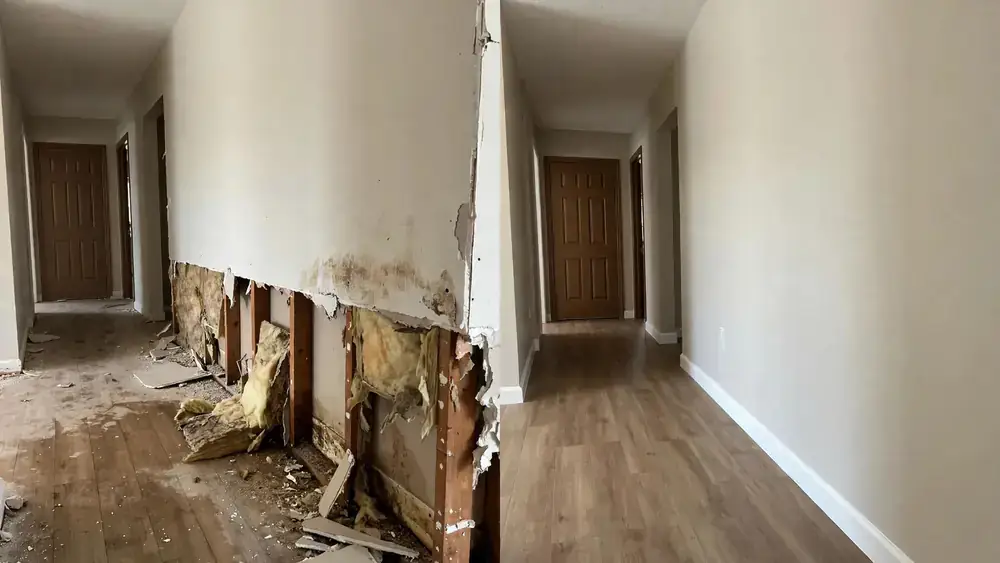
CityLine renters, insurance and your own belongings
Many residents assume the building's insurance will replace what they own. Usually it will not. A landlord's policy is generally written to protect the building, so your furniture, clothes and electronics are normally a matter for your own renters policy, if you have one. Whether anyone else must pay can depend on what caused the leak, which is a question for the insurers and your lease. Texas guidance on water damage and mold is published by the [Texas Department of Insurance](https://www.tdi.texas.gov/tips/when-are-water-damage-and-mold-covered-by-insurance.html), and the insurance guide on this site sets out the basics.
Take your own photos, even if maintenance takes theirs. Make a simple list of damaged items, with the rough age of each one, and keep receipts for anything you must buy. Keep every message from management. If you have to move out for some days, ask in writing what the plan is and how long it is expected to take. Report the claim promptly, because policies usually expect fast notice.
Commercial tenants should read their lease for wording about repair, insurance and business interruption, then speak with their broker. Do not agree on who was at fault in the middle of the event. Stay polite, stick to what you saw, and leave those conclusions to the people whose job it is to reach them.
What CityLine property managers can prepare ahead of time
If you manage a building in the district, the most valuable document you can have is a simple one. Mark the water shut-offs by riser and floor, along with sprinkler control valves, roof drains, garage drains, and the location of each mechanical room. Keep it somewhere that night staff and on-call maintenance can reach without logging in to anything complicated. A leak at two in the morning is the wrong moment to go looking through a set of plans.
Agree on a notification list before you need it. It should say who calls the units below, who tells the insurer, who talks to commercial tenants and who may authorize emergency drying. Keep your vendors' details on file, along with the proof of insurance and registrations you require. Richardson asks contractors to be registered with the city, and permits must be in place for work that requires them; Building Inspection can be reached at 972-744-4180.
Routine checks matter just as much. Clear garage and roof drains on a set schedule, particularly in autumn. Inspect air handler drain lines ahead of the summer. Ask residents to report slow drains and damp carpet early, and make it easy for them to do so. Tenants who feel they will be blamed for reporting tend to stay quiet, and quiet leaks are the ones that spread.
When a CityLine problem belongs to the city
Some water problems start outside the building. If water is surfacing in a street, on a sidewalk or near a public meter, report it to the city's response line at 972-744-4111, which the city lists for water leaks and sewer problems. Your property manager should know about it as well, but the city needs its own report.
Sewer questions are more complicated in a large development, since private lines and shared systems can run a long way before they reach a public main. The city says it maintains the main sewer line, and that a stoppage between a city-installed cleanout and a building belongs to the owner. For a tenant, that distinction seldom matters directly, because your first call is still to management. If sewage is coming up through a floor drain or tub, leave the area and do not use any water in your unit. The sewage cleanup page explains why that kind of water needs extra care.
FAQ
CityLine water damage questions
My CityLine apartment ceiling is dripping. Who do I call first?
Call your community's emergency maintenance line first, then knock on the door above if you can. Management has the access and the valves.
Can a CityLine resident hire a restoration company directly?
Check with management first, because the walls and floors usually belong to the owner. You can still arrange cleaning for your own belongings.
Does the building policy cover my things at a CityLine apartment?
Usually a landlord's policy protects the building, not your belongings. Check your renters policy and report the loss quickly.
A ceiling tile in a CityLine office looks wet. Should staff lift it?
No. Clear the area below and call the facilities desk. A wet tile can be heavy, and there may be wiring above it.
Who deals with a CityLine garage leak onto my car?
Report the level and space number to garage or building management, take photos, and ask how to file a report.
Is CityLine in a flood zone?
Check your exact address on FEMA's map service. Most CityLine water calls are likely to involve plumbing or roofs rather than rising water, but heavy rain can surprise any site.
Sources and citations
- [1]Bisnow: CityLine Drives to the Next Landmark
- [2]Corgan: CityLine mixed-use development
- [3]City of Richardson: 24/7 Response Center
- [4]HAR: SYNC CityLine apartments
- [5]HAR: Bell CityLine apartments
- [6]Texas Department of Insurance: Water damage and mold
- [7]TDLR: Mold assessors and remediators FAQ
- [8]EPA: A brief guide to mold, moisture and your home
- [9]City of Richardson: Water utility operations FAQ