Key facts: University Village
A very large community on Waterview Parkway
A listing puts University Village at 1,237 units on three stories, built in 1989, and another listing says it sits about 0.3 mile from UT Dallas. An older UT Dallas catalog named it University Village, also known as Waterview Park Apartments, and described the Residential Life Office working with students who lived there. Those catalog pages are old, so check the present arrangement with the university and your lease. Listing sites also use the Duck Creek name for other nearby addresses, which can add to the confusion.
Waterview Parkway itself is a corridor more than a neighborhood. Walk Score places a UT Dallas bus route near 2211 Waterview Parkway, and calls 2800 car-dependent. Property records show an office building from 1998 at 3400. Few people say they live in Waterview Parkway. Most say the name of their complex. So this page treats the road and the community together, and speaks mainly to people who live in apartments here.
For a resident, the numbers matter less than the arrangement. Stacked apartments mean each home has neighbors overhead, below or beside it. You do not own the plumbing, you may not know the people upstairs, and you might be away at class or at work when something fails.
When the University Village apartment above you leaks
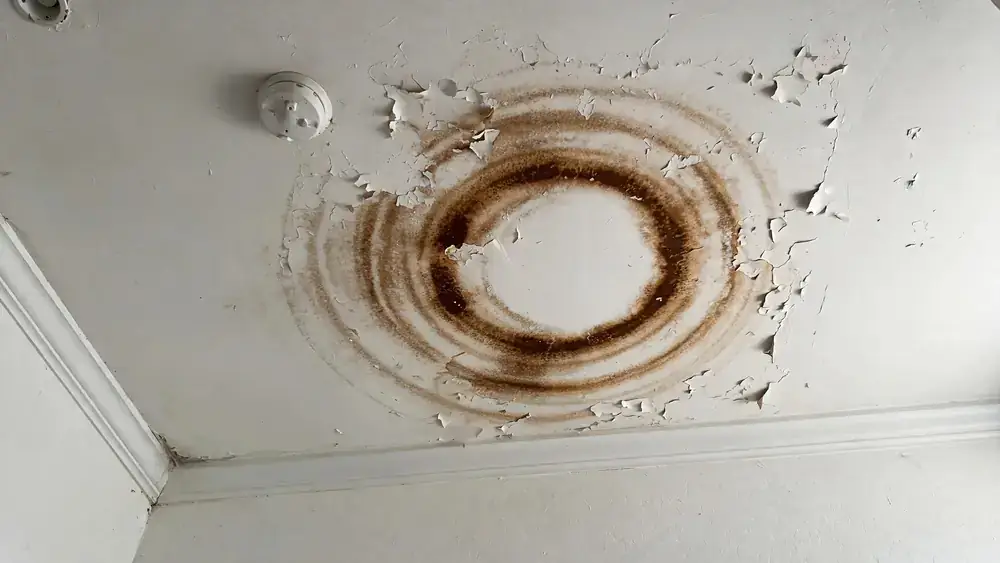
The classic University Village call starts with a drip from a light fixture or a stain over a bed. In a stacked building, the source is often in the home above: an overflowing tub, a failed toilet line, a clogged air conditioner drain or a washing machine. Your first job is safety. If water is near a light or an outlet, stay away from it and turn off that breaker if you can reach the panel while standing somewhere dry. Then call the after-hours maintenance number in your lease, not just the leasing office line.
Move your laptop, documents and bedding before anything else. Put a bucket under the drip. If the ceiling is bulging, leave the room, because wet drywall can drop suddenly. Go upstairs and knock if you feel comfortable doing so. The person may not even know that they have a problem, and a closed valve there may stop the flow into your room faster than anything else could.
Photograph it all, including a shot of the ceiling and one of your damaged things. Send management a message with the time and your unit number. That simple note becomes the record of when they first heard about it.
University Village leaks by floor
| Your floor | Most likely trouble | First thing to do |
|---|---|---|
| Ground floor at University Village | Water from above, patio runoff | Lift belongings off the carpet |
| Middle floor | Water from above and leaks to below | Warn the neighbor downstairs |
| Top floor | Roof leaks and attic-side condensation | Report stains after each storm |
| Any floor, by the laundry closet | Washer hose or drain | Close the washer valves if you can |
| Office along Waterview Parkway | Roof drains, restroom lines | Tell the building manager |
If your University Village apartment is the source
It can happen to anyone. A toilet overflows at two in the morning, or a washer drain hose slips out. Stop the water first. Most toilets have a small valve behind them at the wall, and it turns clockwise. Sinks have them in the cabinet below. If you cannot stop it, call the maintenance line at once and ask them where the unit or building shutoff is. Then warn the people below, since a few minutes of notice lets them move their things.
Whether you are financially responsible is a question for your lease, your landlord and your insurers. Do not guess, and do not admit fault in writing before you understand the facts. Simply report what happened. If the problem was a failed part, that may be a maintenance matter. If you left a tub running, your renters liability coverage may be what comes into play. Many leases require a renters policy, so read yours before you ever need it.
Avoid running a mop bucket down a drain that is already backing up. And never try to use a household vacuum on standing water, as it can give you a shock and ruin the machine.
Carpet and pad in University Village units
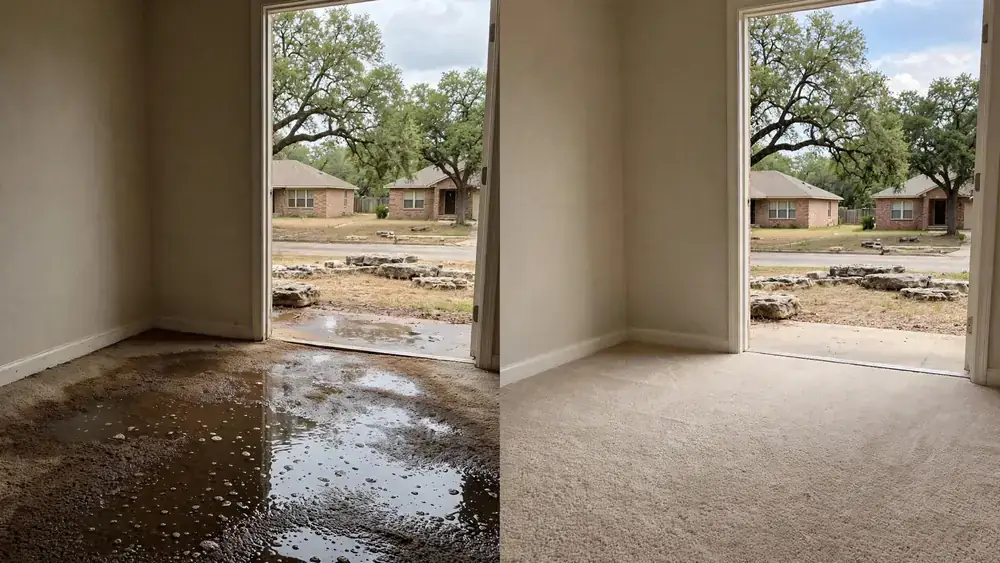
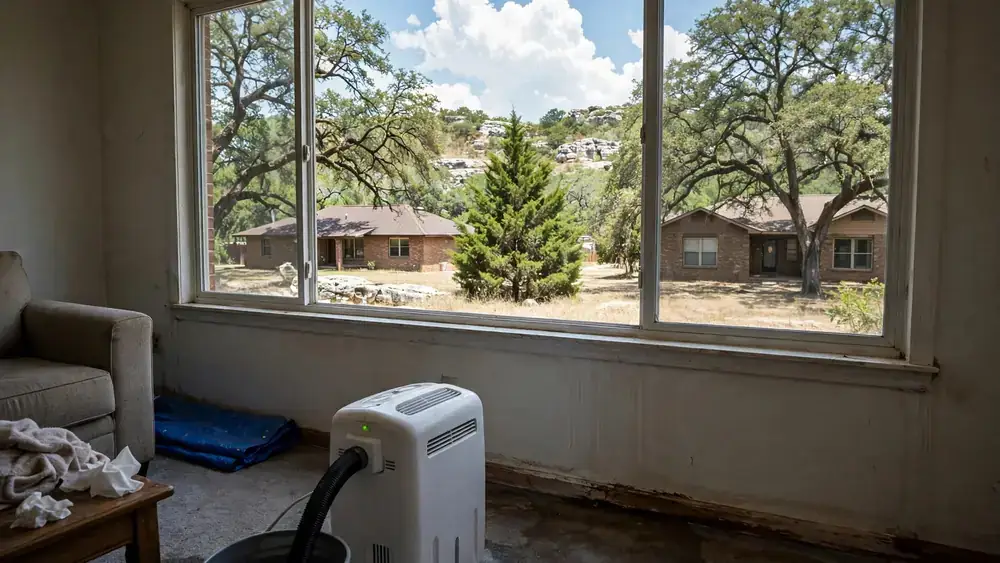
Apartments of this era commonly used carpet in living areas, and many have since moved to plank flooring in some rooms. Either way, the floor is where water sits. Carpet pad holds a great deal of water and can stay wet even when the carpet feels nearly dry. A clean-water leak treated quickly can sometimes be dried in place. Water from a toilet or sewer line is another matter, and the pad usually has to go.
Tell management how much of the floor got wet, and which kind of water it was. If nobody arrives the same day, ask when they will come, and write down the answer. Damp carpet closed up in a warm apartment can begin to smell within a couple of days. See the water extraction page for how the process normally works.
- Press a towel to test the pad
- Lift furniture on blocks
- Run the air conditioner
Students, roommates and University Village belongings
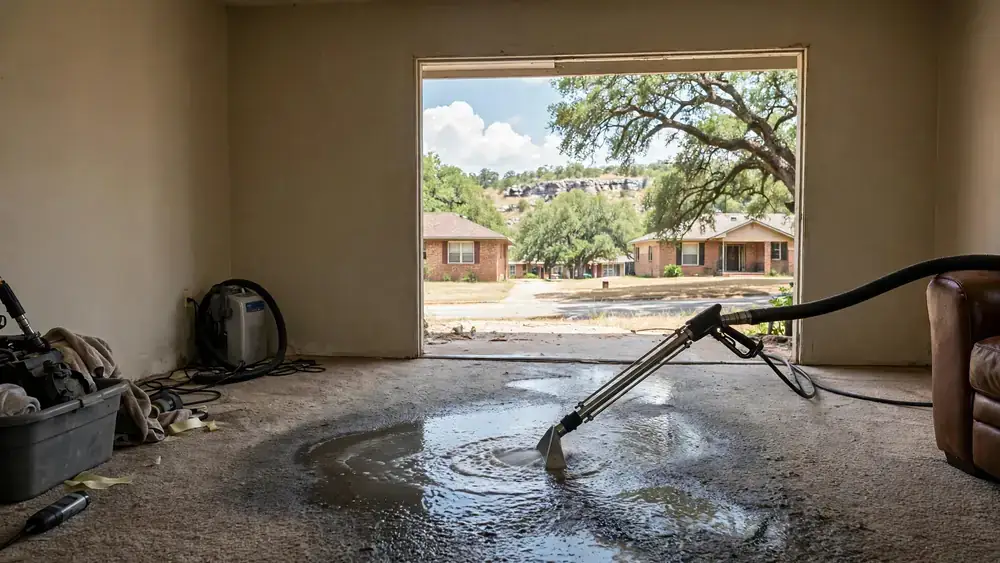
Residents near a university often own the very things that water ruins fastest: laptops, textbooks, printed notes and a phone charger on the floor. Keep electronics off the ground, and back up your coursework. A renters policy generally covers your own belongings when a covered water event occurs, but the deductible may be larger than the replacement of a few small things. If you are on a parent's homeowners policy, some plans extend limited coverage to students who live away from home. Ask them to check.
Roommates may have separate leases and separate policies. Agree on who calls management, and make sure everyone has photos of their own items. International students may find this system unfamiliar, and university housing staff or student services can often explain the basics. If you are confused by something in a lease, ask before signing any release or accepting a move to another unit.
Keep receipts for hotel stays, laundry and replacement items, if you end up with them. Your insurer may ask. A simple list with item, approximate age and a photo is enough to start a claim.
University Village: what to do when the ceiling drips
A quick order of actions for renters in a stacked building.
- 1
Stay safe
Stay clear of bulging ceilings, and of wet outlets and fixtures.
- 2
Call maintenance
Use the after-hours University Village number in your lease, and give your building and unit.
- 3
Save what matters
Move your electronics, documents and medications to a dry place.
- 4
Catch the water
Place a bucket under the drip and towels around it.
- 5
Document it
Take photos and send a dated message to management.
- 6
Call your insurer
Report any loss of your belongings to your renters insurer.
Air conditioner drips in University Village apartments
Each apartment usually has its own cooling unit, often in a closet near the hall. Summer humidity turns into water at the coil, and a small drain line takes that water away. In a building from 1989, those lines may have had decades of use. If yours clogs, you may see water around the closet base, a wet patch of carpet in the hallway or dampness on the ceiling of the unit below.
Report this type of leak as soon as you spot it. Turn the system off if water is visibly dripping, and tell maintenance. Keep the closet clear of stored boxes, as the unit needs air and the technician needs room to work. Air filters clog faster in shared student homes with pets or lots of cooking, so change the filter whenever management asks you to, or take care of it if your lease says that is your task. The AC leak page has further detail.
Plumbing at age thirty-seven along Waterview Parkway
A 1989 building is close to forty years old. Owners of large communities generally replace parts on a schedule, but thousands of fixtures, water heaters and supply stops are in service at once, so failures are bound to occur now and then. A resident can help by reporting small things early: a toilet that runs, a cabinet floor that feels damp, a water heater closet with a rusty smell or a slow bathtub drain.
Shared lines also serve stacks of apartments. If you and your neighbors all lose pressure, or hear gurgling at the same time, the issue may be in a common line, which is the owner's concern. Mention it to management so that they can compare reports. Very large properties depend on residents' reports to know where to look first.
Walls that carry water between University Village homes
Water can follow pipe chases, the vertical spaces that carry plumbing through floors. That is why a leak on the third floor might show on the first floor, skipping the home in between in some cases. It also explains why a contractor may ask to get into several apartments. Allow access when you are able to, as the drying plan may depend on it. Ask for notice as your lease provides, and secure your valuables.
Fire-rated walls and floors between units also slow the drying, because they are built with extra layers. Moisture may remain between them after the surface feels dry. It is common to see small holes drilled low in a wall so that air can be directed behind it. If you are told that the room is finished, ask whether readings were taken in the neighboring unit too.
Being moved during repairs at University Village
If your apartment cannot be lived in, ask management what they can offer. A property of this size may have a vacant unit available, but that is up to them, and it depends on your lease. Texas law gives tenants certain rights related to repairs, and the details vary, so if you reach a dispute, look to legal aid or a tenant advice service. UT Dallas students may also have access to student legal services. Ask at the Dean of Students office.
Before you move, take photos of your unit and your belongings. Take your documents and medications with you. Get any change in rent in writing. Remember to ask who has keys, and when equipment will be collected. If you pay your rent for a home you cannot use, keep a record of what was unusable and for how long, since that information will be needed in any later discussion.
Mold worries in closed University Village apartments
When you are away for a semester break, your home sits closed up. If a slow leak starts then, or the air conditioner stops, moisture has time to build up. Before you leave, follow your lease on thermostat settings, and ask a friend to look in if you can. On your return, check closets on bathroom walls, the area beneath the bathroom sink and any carpet next to the air conditioner closet.
The EPA suggests drying wet items within 24 to 48 hours and fixing the source. If you think you see mold, photograph it, tell management in writing and avoid wiping it or spraying it. In Texas, larger mold jobs are regulated, and the mold guide explains the general rules. If you have asthma or allergies, tell management, and talk to a health professional. The university health center may be able to help students.
Rain, parking lots and offices on Waterview Parkway
A wide road lined with parking, offices and apartments has a lot of hard surface. During a heavy storm, water moves quickly toward inlets, and a blocked inlet can pond at a ground-floor patio or a building entrance. Do not leave things on a patio slab if rain is forecast, and take note of any standing water near your door. If your car is in a low spot of the lot, move it ahead of the storm if that is safe.
Office tenants along the parkway face a different mix. Flat roofs with internal drains, restrooms over server rooms and suite-to-suite leaks are typical of commercial buildings. Tell the property manager first, and protect your equipment. Water surfacing in the street is a city matter, and the 24/7 line at 972-744-4111 takes those reports. For mapped flood zones, enter any address at the FEMA Flood Map Service Center. This page makes no claim about past flooding.
Move-in photos at University Village protect you later
With so many apartments changing hands around each academic year, the move-in inventory matters more here than in most places. Before you unpack, photograph every ceiling, the floor around the toilet and tub, the inside of the sink cabinets, the air conditioner closet and the wall behind where the washer would stand. Any old stain, warped cabinet floor or rust mark should go on the inspection form you hand back to the office. If water appears there later, those dated photos show what was already present, and that can matter a great deal when the deposit is being settled at move-out.
Summer turnover has its own risk. An apartment left empty between residents may sit with its air conditioning set high, and a slow leak can go unseen until the next person arrives. If you move in and notice a musty smell, a soft spot in the carpet or a ceiling mark that looks new, raise it in the first days. Do the same if you take over a lease from another student, since you may be inheriting problems nobody ever reported. Ask directly whether the unit has had water damage, and keep the answer in writing.
Waterview Parkway, Waterview Drive and nearby communities
Names cause real confusion in this corner of Richardson, and when water is coming through a ceiling, a clear address saves time. Waterview Parkway, where University Village is listed, is a different road from North and South Waterview Drive, which run through older single-family streets such as Parkview Estates much further south. Marquis at Waterview shares the name but is listed on West Renner Road, with 528 units built in 1996. Wexler appears at 925 S Waterview Drive, with a 1961 build year. Those are separate properties with separate managers, and very different building ages.
So give the full street address, the building number and the unit when you call anyone, whether that is maintenance, an insurer or a contractor. Add the nearest gate if your community has several. In a property of well over a thousand apartments, a building number can be the difference between someone reaching you promptly and someone wandering the wrong parking lot. Keep that information in your phone along with your lease and policy numbers, and share it with your roommates. If a parent or friend is calling for you from another state, they will need these same details, plus a local phone number for you.
Balconies, patios and laundry at University Village
Upper-floor balconies and ground-floor patios are small, but they catch rain and need to drain. If a plant saucer, a storage bin or a stack of leaves blocks the low edge, wind-driven rain can sit against the sliding door and find its way under the track into the carpet. Keep that edge clear, and check the door track for debris. Wet carpet right beside a patio door after a storm usually points here and not to the plumbing, and that detail helps maintenance find the source quickly.
Listings for large communities like this vary on laundry, with some homes having connections and others relying on shared rooms. If you have a washer, never leave it running when you head out to class, and avoid overloading it, as a shaking machine can loosen its hoses. Report any drip at the valves immediately. In a shared laundry room, tell the office about a flooded floor, and move on. A leak there may be running into a neighboring home's wall without anyone knowing.
FAQ
Questions from University Village residents
Who pays for my things after a University Village leak?
Usually your renters policy, though it depends on the cause and your lease. Ask your insurer soon.
Is University Village run by UT Dallas?
Older university catalogs described a connection, but those pages are dated. Check your lease and with UT Dallas Housing.
Is Waterview Parkway a separate neighborhood?
It is a road with apartments and offices, so this page covers both names together.
The University Village unit above me keeps leaking. What can I do?
Report each event in writing with photos and dates. A record of repeat leaks helps management act.
My University Village carpet is wet but looks fine. Is it OK?
The pad below may be soaked. Ask maintenance to check it with a moisture meter.
Can maintenance enter my University Village unit to dry it?
Your lease usually allows entry for repairs. Ask for notice when you can, and secure your valuables.
Sources and citations
- [1]Apartments.com: University Village
- [2]UT Dallas graduate catalog: Housing information
- [3]Zillow: 2800 Waterview Pkwy
- [4]Walk Score: 2211 Waterview Pkwy
- [5]Texas Department of Insurance: water damage and mold coverage
- [6]EPA: A brief guide to mold, moisture and your home
- [7]City of Richardson: 24/7 Response Center