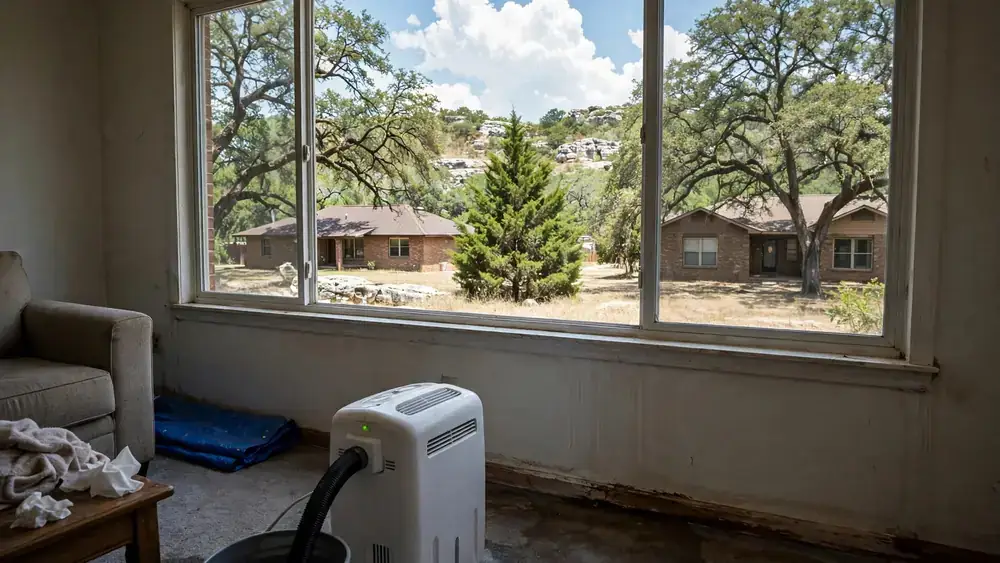
Key facts: Richardson Heights
What makes Richardson Heights different
Richardson Heights sits in ZIP 75080, on the west side of Richardson. It is one of the additions named in the state historical record as replacing cotton fields after the war, so much of its housing is now well past sixty years old.
For water damage, that age is the main thing to know. Say roughly when your home was built when you call, along with whether it has been remodeled, since that alone tells a contractor a good deal.
Richardson Heights and the post-war ranches
Richardson Heights is one of the additions named in the state historical record as replacing cotton fields during the city's post-war boom, when population leapt from about 1,300 in 1950 to 16,810 in 1960. Central Expressway had come through in 1954, and Collins Radio and Texas Instruments were bringing engineers and their families to the area.
Local inspection notes describe homes from that era as brick-veneer slab ranches, some with original copper or galvanized supply lines and others with cast-iron drains. Many have been updated over the decades, often piecemeal, so a kitchen may have new PEX lines and a hall bath the original pipe. If you are not sure what you have, ask a plumber to look at the exposed lines near the water heater.
In these streets, expect three common problems: leaks at old fittings, slab leaks from clay movement and drain stoppages from cast iron and roots. Mature trees are one of the pleasures of the area, and also the reason roots find old sewer joints.
Common Richardson Heights property types and the leak to expect
| Property | Common source | Where water goes |
|---|---|---|
| Post-war ranch | Old supply fittings, slab lines | Baseboards, flooring, bottom plates |
| Two-story west Richardson home | Upstairs bath, attic AC | Ceilings below, wall cavities |
| Townhome or apartment | Washer, water heater closet | Neighboring units and floors below |
| Office or retail near Central | Roof drains, restroom lines | Ceiling tiles, carpet, suites below |
Drainage and creek-side streets in Richardson Heights
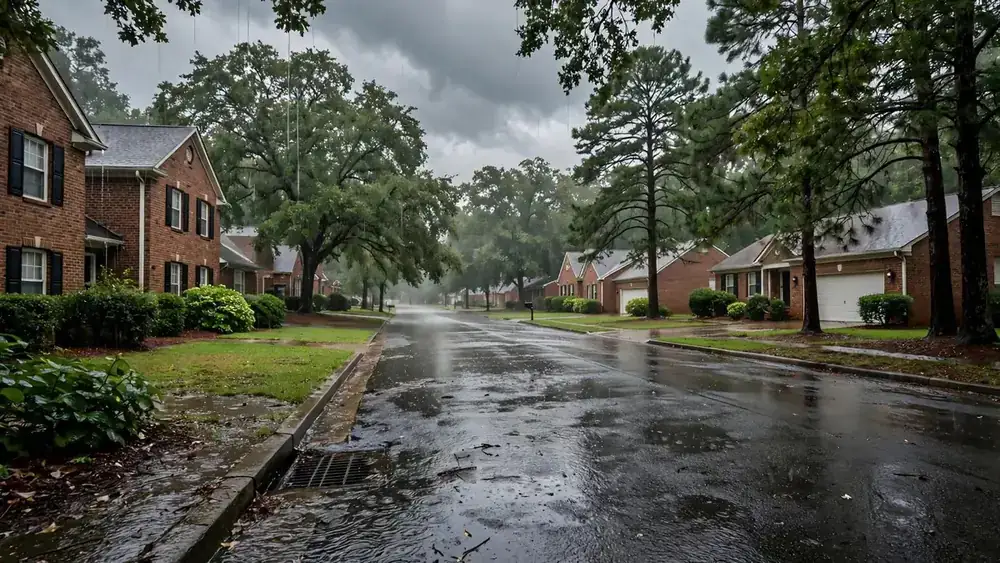
Hard rain on clay soil runs off quickly, and the west side has streets that drain toward creeks. Prairie Creek Park is a known landmark here, and low spots around any channel deserve attention. Use FEMA's [Flood Map Service Center](https://msc.fema.gov/portal/home) to look up your exact address. Zone maps are a starting point, though, and not the last word: older neighborhoods can have drainage systems sized to earlier standards, and intense rain may exceed them.
If runoff comes through a door, read the storm and flood cleanup page before cleaning anything, because outside water is treated as contaminated and flood insurance is separate from your home policy.
City services for Richardson Heights owners
If you see water running in the street or an alley, the city takes reports through its 24/7 Response Center at 972-744-4111. The same line takes sewer reports. Remember the rule from the city's FAQ: it looks after the main, but a stoppage between a city-installed cleanout and the house belongs to the owner. Older alleys often carry utilities at the rear of the lot, so your cleanout may be at the back rather than the front.
Interior remodels and foundation repair both appear among the city's residential permit types. Permits need approval and posting before work starts, and contractors must be registered with the city. Ask the company you hire who will pull the permit if one is needed.
What to tell the contractor when you call from Richardson Heights
- 1
Your ZIP and street
Confirm you are in Richardson Heights, and give the nearest cross street.
- 2
Year built
Even a rough decade helps with assumptions about lines, floors and materials such as asbestos.
- 3
One story or two
This shows how far water could have traveled.
- 4
Source and status
Say what failed and whether the water has stopped.
- 5
What got wet
Describe flooring, walls, ceilings and contents.
- 6
Who else is affected
Mention neighbors, tenants or an association, if any.
Older-home details to mention in Richardson Heights
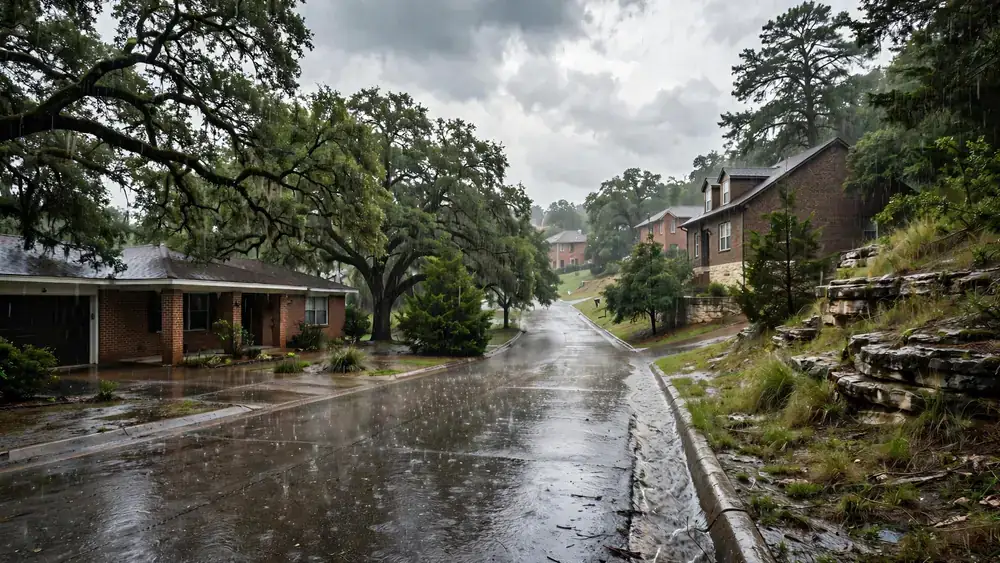
Before anybody disturbs an old wall or floor, ask about asbestos and lead. Floor tile and mastic, textured ceilings, and joint compound from older homes may need testing. This protects you and the crew, and it is much easier to deal with at the start than halfway through a job.
Original hardwood under carpet is common in some older homes, and it may respond better to careful drying than a quick replacement would suggest. Plaster is another possibility in the oldest buildings. Tell the contractor if you are attached to original features, since this can affect how the room is dried and repaired.
Seasonal patterns in west Richardson
Spring storms bring runoff and roof leaks. Summer brings condensate overflows from attic units, plus sprinklers running hard against brick. Dry spells shrink clay and may show up as new cracks and leaks once the soil is wet again. Winter is usually mild, but DFW still sees freezes most years, and exposed lines on older houses are the ones most at risk. A quick walk around your house at the change of each season can reveal things before they become water in the living room.
Five checks for a Richardson Heights home
- Test the main shut-off, and label it
- Run the meter test once a year
- Replace rubber washer hoses and old toilet connectors
- Ask a plumber to scope old cast-iron drains, especially near big trees
- Keep mulch below weep holes on brick walls
A short history that explains the plumbing
To understand a Richardson Heights house, it helps to know why it was built. In the 1950s, electronics firms brought skilled workers to the area, and builders responded quickly. Collins Radio opened its Richardson office in 1958 and Texas Instruments settled just to the south. What followed was a boom in practical family homes on what had been cotton land. They were well built for the time, but nobody planned for them to carry the same pipes through a seventh decade.
UT Dallas came later, growing out of the research ambitions of that same industry, and with it the demand for apartments and townhomes nearby. So west Richardson has layers: first ranch homes, then larger homes around the country club, then rental and newer attached housing. Water damage follows those layers. Knowing which layer your home belongs to is the fastest way to work out what probably went wrong.
Bathrooms and kitchens that have been updated
Many Richardson Heights ranches have had kitchens and baths remodeled. New tile and cabinets can sit on top of original drains and lines. A new vanity looks perfect, while the angle stop behind it may be sixty years old. If you are not sure what lies under the surface, look under each sink and behind each toilet. Corroded valves, green staining and old compression fittings tell you a lot, and replacing them is usually a small job for a plumber.
Remodels can also change how water moves. A raised shower pan, a tile floor laid over old vinyl or a wall removed between kitchen and dining room all alter the paths that water takes. If a leak happens in a remodeled room, tell the contractor what you know about the work that was done. Old photos from when the work was in progress can show where lines were moved, and they can be really useful.
What a good first visit looks like here
A contractor arriving at a 1950s ranch in Richardson Heights should ask about its age, look at the pipes they can see and ask about any previous leaks. They should test the floor and walls in more than one room, and talk about asbestos or lead before cutting anything. At a two-story west Richardson home, they should check both floors, plus the attic if the water came from above. At a townhome, they should ask who else is affected.
What you want to hear is a plain account of what they found, what they are going to do first and what might change once they begin. You do not need a promise that everything will be fine. You need to know how they will measure progress and how they will tell you if the plan has to change. If you get that, you are probably in good hands. If you do not, feel free to call somebody else.
Trees, roots and the older sewer lines of west Richardson
Big shade trees are part of the character of 75080, and they need water. Roots follow moisture, and a tiny weep at an old clay or cast-iron joint is enough to attract them. If your drains slow down at about the same time each year, roots may be the reason. A plumber with a camera can find them. Clearing them gives relief, but a damaged joint will invite them back, so ask what the video shows. Think about tree placement before planting anything new near the line.
Who to call in Richardson Heights, in order
Keep things simple. If water is in the street, call the city. If water is inside and coming from a pipe, close the main and call a plumber. If floors, walls or ceilings are wet, call a restoration contractor. If you see sewage, stop all water use and work out which side of the cleanout the problem is on. If someone is in danger, or you smell gas, leave and call 911. Print that list and tape it near the panel.
It also helps to keep a few numbers saved in your phone before you need them: your plumber, your insurer's claims line, the city Response Center and your neighbor. West Richardson has plenty of long-time residents who know their streets well. A friendly neighbor with a spare key can be the fastest shut-off valve you will ever have when you are out of town.
Slabs, clay and the dry summers of 75080
In a long, dry summer, clay around a slab shrinks and pulls away from the edge. You may see a gap between soil and concrete. Then the autumn rains arrive and the ground swells. For older ranches, this seasonal cycle is one of the main causes of stress on plumbing. Keep watering steady around the foundation in drought, using soaker hoses set a little way from the slab, and do not flood it.
Large trees near the house take a lot of water in summer, and they can make one side drier than the other. An arborist or foundation engineer can talk about this if you notice new cracks. Keep any planting beds from being built up against the brick, as raised soil can cover the weep holes and let water into the wall.
Records that help a Richardson Heights owner
Older homes change hands with a long history, and very little of it is written down. Start your own record. Note what kind of supply lines and drains you have, the dates of repairs, the age of the water heater and any leaks that were dried. Keep receipts and reports in one place. If you buy a house in this neighborhood, ask for the same from the seller, along with any previous claims history that can be shared with you.
That file becomes useful the day something goes wrong. A contractor can plan better, your insurer can see that the house has been looked after and you will know at once whether this is a new problem or an old one returning.
Pools and backyard structures in Richardson Heights
Many west Richardson yards have pools, patios and sheds added over the decades. Check that deck drains are clear and that water from a patio cover does not fall right beside the slab. These small things can send a surprising amount of water toward a wall in a storm.
FAQ
Questions from Richardson Heights homeowners
Who handles a leak in the alley behind my house?
Report it to the city 24/7 line at 972-744-4111. Water lines and sewers can run behind the lots.
Why are older Richardson Heights drains prone to blocking?
Cast-iron pipe roughens inside over time and tree roots look for joints. A camera inspection tells you what you actually have.
Do repairs need a city permit?
Many do. Ask Building Inspection at 972-744-4180 what applies to yours.