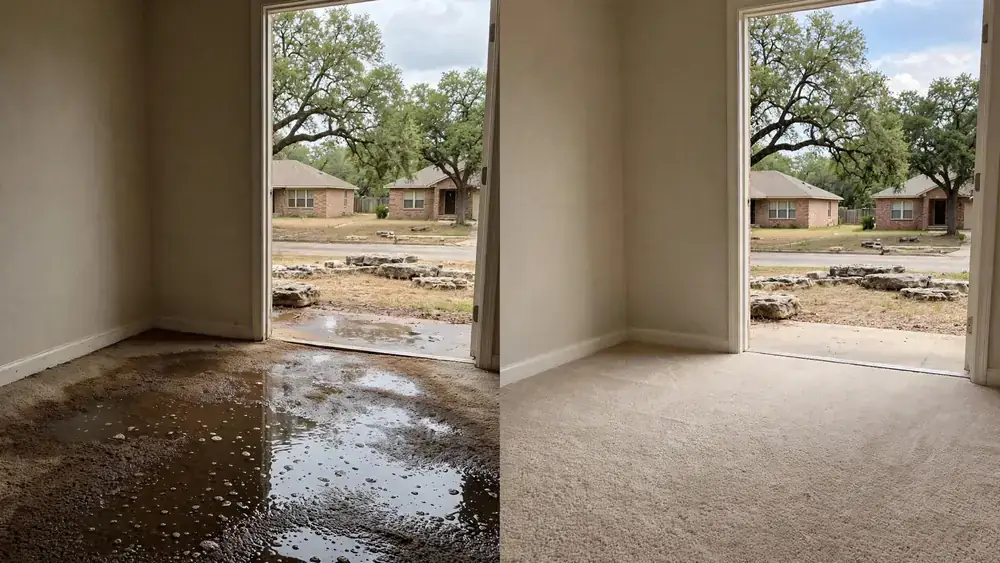
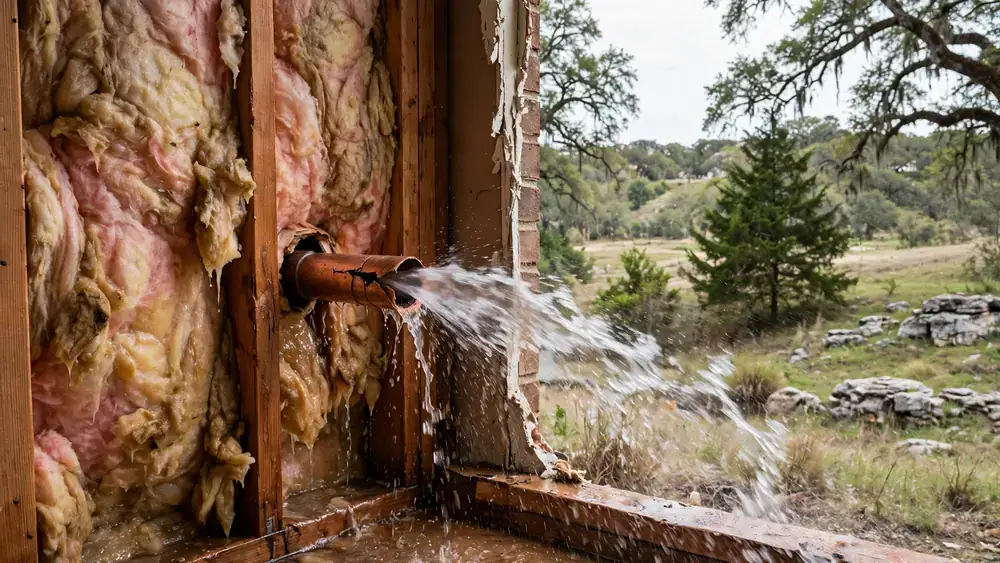
Key facts: Heights Park
Heights Park homes have reached the age of the supply line
Listings give a good sense of what stands here. A home on Ridgedale Drive dates from 1955, and one on Greenleaf Drive from 1957. Neighborhood data groups many residences between 1940 and 1969, which fits. At seventy years of age, a house has usually had its roof replaced many times and its water heater several times. Its kitchen and baths may look brand new. What may never have been touched is the pipe that sits behind the plaster or in the attic, carrying pressurized water around the clock.
Homes of this period were often plumbed with galvanized steel for supply, and many have since been repiped with copper or plastic, in whole or in part. That varies house by house, so nothing on this page should be read as a statement about your home. But if you have never asked what your lines are made of, this is the neighborhood where the question is worth asking. A plumber can usually tell in a few minutes by looking at the pipes at the water heater and under a sink.
The danger of supply pipe is that it never rests. A drain only holds water when something is flowing. A supply line holds it under pressure all day and all night. So a small failure inside a wall runs nonstop, and a house can take on a lot of water before anyone sees the first clue.
Warning signs in a Heights Park plumbing system
Old galvanized pipe tends to close up from the inside as rust builds, a little like an artery. The early signs are mild. Pressure drops at one or two fixtures. The first water from the tap may look brown after a vacation. The shower weakens when somebody runs the kitchen sink. These are not emergencies, but they are the house telling you something. The same corrosion that narrows the pipe also thins the wall of it, especially at threaded joints, where most old failures happen.
Partial repipes come with a twist of their own. Where a remodeler joined new copper to old steel without a proper fitting, the connection itself can corrode. So a recently redone bath is no guarantee, and the failure can sit right where the old and new meet. Ask your plumber to look at any such joints, and write down what they find.
A pinhole leak behind a wall has a recognizable pattern: a faint musty smell, a baseboard that looks slightly swollen, paint that bubbles in a line, or a hiss you can hear only at night. If you suspect one, read your water meter, turn off all fixtures, wait an hour and read it again. Any movement means water is going somewhere that it should not.
Common Heights Park leak sources, by location
| Location | Possible cause | What you may notice |
|---|---|---|
| Attic above a Heights Park hallway | Supply line or air handler pan | Ceiling stain, sagging texture |
| Wall behind a 1950s bath | Threaded steel joint | Swollen baseboard, bubbling paint |
| Below a slab room on Ridgedale | Buried line or drain | Warm or damp flooring |
| Garage or utility closet on Greenleaf | Water heater tank or fitting | Rust at the base, water on the floor |
| Enclosed patio room | Roof tie-in or low door sill | Water at the wall after wind-driven rain |
Attic pipes above Heights Park ceilings
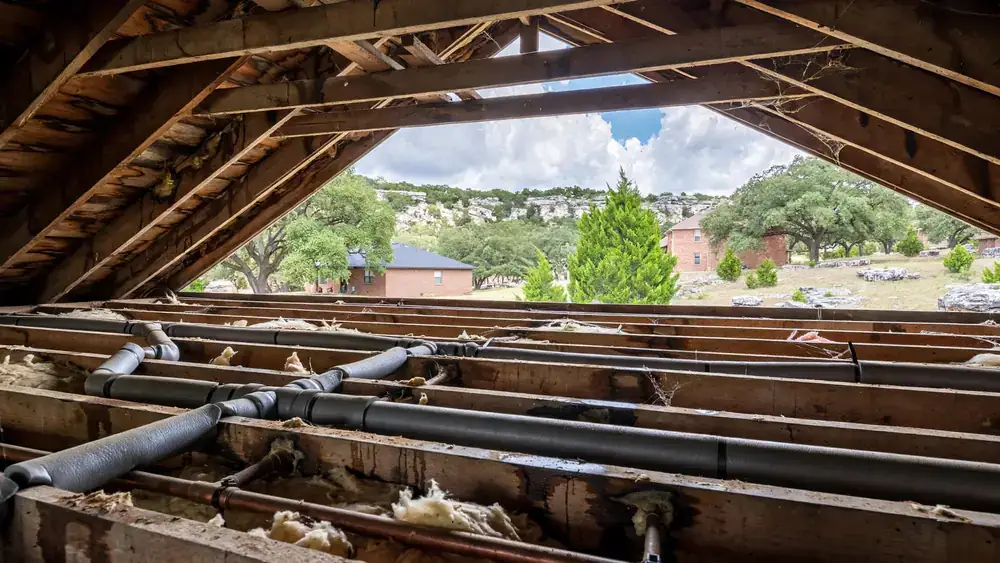
Some homes from this era run water lines through the attic. If yours does, a failure there comes straight down through the ceiling, wetting insulation first. Fiberglass or blown insulation holds water against the drywall, so the ceiling can turn soft and heavy. A dark, spreading stain or a sagging patch means you should get people out from below it, shut off the water and turn off the circuit for any fixture close by.
Freezes add a further layer. Attic lines over an exterior wall are the ones most exposed in a hard cold snap, and a split pipe usually lets go when it thaws. Know where your main shutoff is well before winter arrives. If a freeze is forecast, open cabinet doors on outside walls and let a thin stream run, as the city and your plumber may advise. Going up there to fix things yourself is not a great plan, since old ceilings can give way underfoot if you step off the joists.
The burst pipe page goes through what tends to happen next. In short, wet insulation normally has to come out so that the drywall and framing can dry. Replacing it afterward lets the ceiling recover properly, instead of hiding a damp layer that stays wet for weeks.
Older floors and walls in Heights Park
When water does get loose in a mid-century house, the materials change the job. Original hardwood may survive under carpet in some homes, and hardwood can sometimes be dried in place if a contractor gets to it quickly. Older vinyl and tile, as well as the glue beneath them, may contain asbestos. Any wall finish from before 1978 may have lead paint under later coats. These are possibilities to test for and not things to guess at, and a responsible contractor will ask about them before cutting into anything.
Plaster walls behave differently from modern drywall as well. Some 1950s homes have them, though many have drywall of the time. Plaster often stays in one piece and takes longer to dry. Older drywall may be thinner than the modern product. Layers of paint and wallpaper can slow drying by sealing the surface. So a wall that feels dry to the touch may still give a high reading on a moisture meter.
If you have the original floor under a newer one, say so at the start. Trapped water between layers is a frequent reason for the floor to smell musty weeks later. In the how long drying takes guide, you can see why layered assemblies tend to run longer than a single sheet of drywall.
Heights Park and the neighbors around it
A local profile of nearby Northrich lists Heights Park and the Heights Family Aquatic Center among the area's amenities, and real estate pages describe a voluntary neighborhood association. One community guide says that the Heights Park Neighborhood Association is a volunteer group that coordinates with the city and hosts events. That guide is not an official source, so check with neighbors for the latest. It is worth doing, because a volunteer group that knows the area can often point you to people who have dealt with the same 1950s plumbing.
This neighborhood is often confused with Richardson Heights, which has its own association and its own page on this site. If you are unsure which name applies to your street, it does not matter for a phone call. Just give your address. The contractor needs your street and ZIP, not the name on the real estate sign.
Because these are mostly detached homes without a mandatory HOA, the upkeep of the house falls on you. That brings both freedom and responsibility. There is no association maintenance crew to call, and no shared policy. On the other hand, you decide when to repipe, and you choose who does it.
Water heaters in Heights Park garages and closets
A water heater is the single biggest stored volume of water in the home. Where it lives matters. In many older houses it sits in a garage corner or a hall closet that was never designed with a pan. Tanks tend to fail at the bottom, where sediment and rust collect. A slow weep can damage a closet floor for months before it becomes obvious, and a full failure dumps the whole tank plus whatever the line keeps supplying.
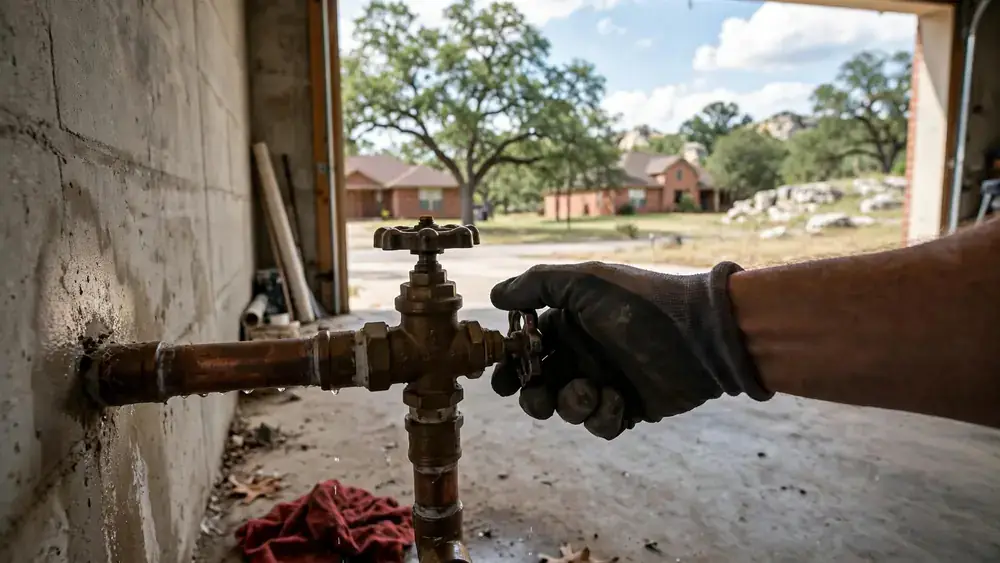
Look at yours twice a year. Note any rust at the base, dampness underneath or a popping noise. Check the relief valve line and make sure it is not capped. If the shutoff handle above the tank has not been turned in years, have a plumber test it, because old gate valves often will not close completely. A valve that does not work is no better than no valve at all.
- Rust at the tank base
- Damp closet floor
- A shutoff that will not close
Foundation movement in Heights Park
Clay soil and big old trees have been working on these slabs for decades. Movement like that is normal across this part of the state and it does not automatically mean a failure. It does put extra stress on stiff, aged pipe. A rigid steel or cast-iron line that passes through a slab cannot flex, so a small shift in the soil may show up as a crack at a joint or a new leak beneath a bath.
A dry summer followed by heavy autumn rain is a time to take particular notice, because the soil moves both ways. Look for new cracks in brick, doors that no longer latch and hairline splits in tile. If you also see a higher water bill, or feel a warm area on the floor, call a plumber for a leak test. A slab leak can be repaired through the floor or rerouted, and which route is best depends on your house.
A steady soaker hose schedule near the foundation in drought is a common piece of advice. Keep the moisture even and avoid flooding the area. Ask a foundation professional what suits your lot, and keep shrubs trimmed so that you can see the slab edge.
Storm runoff and low doors on Heights Park streets
Many ranch houses sit close to grade, meaning only a small step separates the soil from the floor. That worked fine with the landscaping of 1955. After seventy years of mulch, soil and raised beds, the outside ground may have climbed the brick. Water from a hard rain can then reach weep holes and door sills. A quick look around the foundation will show whether the slab edge is still visible.
Enclosed garages and patio rooms are common changes to homes of this age, and their floors may not match the main house. If the enclosed room has a low threshold, it will be the first place to take on water. Check the seam along that wall after storms. When a street gutter fills, let it drain before you try to clear anything, and stay clear of storm inlets.
To find your mapped flood zone, go to the FEMA Flood Map Service Center and enter your address. This page does not say that Heights Park has flooded, and a map result does not rule out street runoff during an unusually heavy rain. If water does come in, take photographs and call your insurer. The first hour guide gives a simple sequence.
Repiping and insurance for Heights Park owners
If a plumber finds failing galvanized pipe, you will likely hear the word repipe. Replacing all or most of the supply lines through attics and walls is a real project, and it needs permits. It also ends a whole class of leak. Many owners who have had one pinhole choose to schedule the work before the next one, ideally while other remodeling has already opened the walls. Ask for a written scope that covers wall repairs too, so that you know who patches the drywall.
Texas insurance guidance generally separates a sudden and accidental discharge from long-term seepage. A wall that has been quietly wet for months may raise questions from an adjuster, which is one more reason to act on early signs. Insurers may also ask about the age of plumbing in an older house, so keep receipts for any repipe. Photographs of new pipe in open walls make good proof later on. See the insurance guide for an overview.
Buyers should ask for the same paperwork. An inspection is limited to what can be seen, and a home that looks perfect may have original steel inside the walls. It is reasonable to ask for a sewer camera and a plumber's opinion on the supply side before closing.
Mold and musty closets in Heights Park
Small closets against a bathroom wall are classic hiding places. Pinhole leaks can keep a wall barely damp, which is enough for mold to grow out of sight. If one closet in the house smells different, pull everything out and look at the bottom of the wall. The EPA's main advice is to fix the water problem first and to dry wet materials within 24 to 48 hours. Cleaning the surface without dealing with the moisture means it simply comes back.
Avoid disturbing visible growth, and do not run a fan directly on it. For larger areas, Texas rules involve licensed professionals, and the mold guide gives the general thresholds. Older walls may also need testing before cutting, so tell the contractor about the age of the house. Anyone with health concerns should talk to a doctor, and it may be sensible for them to stay out of the affected room for now.
Keeping records on a Heights Park house
A seventy-year-old home has had many owners, and few of them left notes. Start your own file. Record what the pipes are, where the shutoffs are, when the water heater went in, and any leaks you have had. Add a sketch showing where lines run if you learn it during a repair. Next time something goes wrong, you or the next owner will have a head start, and a contractor can plan the work faster.
Photos of the inside of walls, taken during any remodel, are worth more than they seem. They show the pipes, the framing and any old patches. Keep them with your house papers and in the cloud. If you sell, that history reassures buyers and can head off long negotiations about what is hidden. Your insurer can also make use of those records when a claim comes up.
FAQ
Questions from Heights Park homeowners
How do I know if my Heights Park home still has galvanized pipe?
A plumber can usually tell by checking exposed pipe at the heater and under sinks. A magnet will stick to steel, but not to copper.
Is the brown water in my 1950s Heights Park home a leak?
Not by itself, but it can be a sign of rusting pipe. Have the system checked.
Does Heights Park have a required HOA?
Listings describe a voluntary neighborhood association. Check your deed for any restrictions on your lot.
Can original Heights Park hardwood be saved after a leak?
Sometimes, if drying starts soon. Have moisture readings taken before you decide to replace it.
Is Heights Park the same as Richardson Heights?
They are treated as separate neighborhoods, with separate groups. Your street address is what counts.
Who do I tell about water running down my Heights Park street?
Report possible main breaks to the city's 24/7 line at 972-744-4111.
Sources and citations
- [1]RentHop: 519 Ridgedale Drive, Heights Park
- [2]NeighborhoodScout: Heights Park
- [3]City of Richardson: 24/7 Response Center
- [4]Trulia: 706 Greenleaf Dr
- [5]Community Impact: Northrich and Heights Park amenities
- [6]City of Richardson: Water utility operations FAQ
- [7]City of Richardson: Residential permit types
- [8]EPA: A brief guide to mold, moisture and your home