Key facts: The Telecom Corridor
The Telecom Corridor: why office water damage is its own job
The Telecom Corridor is the long business strip along US 75 in Richardson, and it is better known for office campuses than for front lawns. Wikipedia puts it at more than 25 million square feet of office space and describes a strip of about six and a half miles beside North Central Expressway, reaching up to the President George Bush Turnpike. One local history traces it to the building Collins Radio put up in 1957. The name is a popular label rather than a fixed boundary, and people use it loosely, so your building's address matters more than the label.
That business character changes almost everything about a water loss. A homeowner has one roof, one policy and one decision maker. An office tenant may have a landlord, a property manager, a facilities contractor, an insurer on each side, neighbors above and below, and staff who need to know whether to come in tomorrow. The water itself often arrives from outside the suite, through a ceiling or a shared wall. This page is written for office managers, tenants and small landlords, and it assumes the first question is usually not what got wet but who needs to be told.
First hour for a Telecom Corridor office tenant
- 1
Tell building management
Use the after-hours number on your lease or lobby sign. They control risers, shut-offs and access.
- 2
Protect people
Keep staff away from sagging ceiling tiles and wet floor-mounted power. Follow any alarm or evacuation instruction.
- 3
Protect equipment safely
Shut down computers and move them if the area is safe. Leave wet electrical items for a qualified person.
- 4
Record the scene
Take time-stamped photos and video, and note when and how you found the water.
- 5
Notify in writing
Email your landlord and contact your insurance broker. Check your lease for notice requirements.
Above the dropped ceilings of Telecom Corridor offices
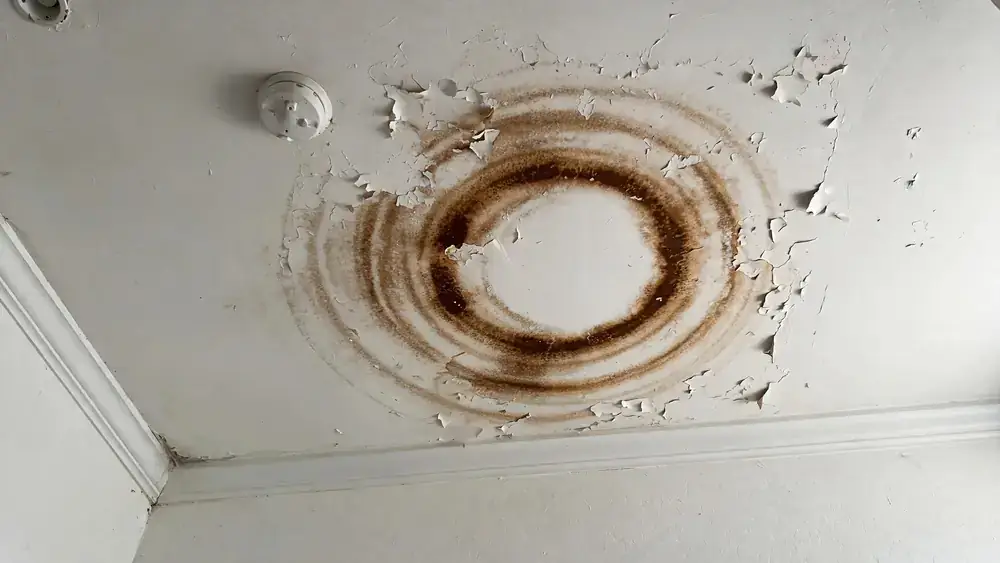
Many office suites have a suspended ceiling, with a plenum above it that carries ductwork, data cable, sprinkler pipe and often plumbing. Ceiling tiles hide this space very well. Water can travel along a pipe or the top of a tile grid and fall some distance from its source. A single brown tile may be the first sign of a condensate leak, a pinhole in a heating or chilled water pipe, or a roof problem several levels up. Lift a stained tile only if it is dry and safe, because a waterlogged tile is heavy and it can drop.
Tell your building engineer what you see, and ask them to look above neighboring tiles too. Fibrous ceiling tiles soak water easily and usually need replacing rather than drying. Cabling should be assessed by someone who knows it, especially where bundled data lines sit in pooled water. In some office buildings, the area above the ceiling also acts as a return-air path, which means damp materials there can affect air across a larger floor. That is a good reason to make sure the space above the ceiling gets inspected as part of the job, and not simply what shows below it.
Telecom Corridor water sources by building system
| Source | Where it appears | Usual first contact |
|---|---|---|
| Fire sprinkler branch or head in a Telecom Corridor suite | Open floor, ceiling grid, cubicles | Building management and fire alarm contractor |
| Rooftop unit or flat roof drain | Top-floor ceilings, stairwell walls | Property manager and roofer |
| Shared restroom stack or wet wall | Floors below, corridor carpet | Building engineer and plumber |
| Break room dishwasher, coffee or ice line | Suite carpet, neighboring tenant | Tenant facilities contact |
| Chilled or heating water piping | Mechanical closets, ceiling tiles | HVAC contractor via management |
| Water main near a campus driveway | Pavement or landscaping | City line at 972-744-4111 |
Sprinkler discharges in Telecom Corridor buildings
A sprinkler line holds water under pressure, and when a head is struck by a ladder or a pipe fails, the flow is fast and the water tends to be black from sitting in the pipe. It is one of the most damaging events an office suite can suffer. Do not try to close a fire system valve on your own. Only authorized building staff or a fire protection contractor should do so, because the system must be restored and the fire department may be involved. Your job is to get people out of the way, call the building contact and follow any alarm instruction.
Water from a sprinkler line may be dirty, and it can carry rust or treatment residue. A restoration contractor should classify the water before deciding what to save, following a recognized method such as the IICRC S500. Carpet tile can sometimes be lifted and dried, although broadloom on glue is a harder call. Keep staff out while wet carpet and electrical items are being assessed. If moving furniture, labeled tags on chairs and desks help put each workstation back afterward, and that is a practical detail that makes the return to work far smoother.
Your lease decides a lot in the Telecom Corridor
Commercial leases in Texas rely heavily on their wording, and a tenant should not assume a landlord must cover everything. Many leases commit the landlord to repair the building but leave a tenant's furniture, stock, equipment and lost business to the tenant's own insurance. Others include mutual waivers of subrogation or provisions that limit a landlord's liability. Read the sections on repairs, insurance, casualty, notice and abatement of rent. If the suite cannot be used, the casualty clause may explain whether rent pauses and for how long.
Written notice often matters. Send it in the way the lease requires, to the named address, and keep proof. Take care with casual statements about who caused the leak, particularly if your own contractor or a piece of your equipment could be involved. If there is real disagreement over responsibility, a Texas commercial real estate attorney is the right person to ask, as this page cannot give legal advice. A short meeting with your broker and building manager on a quiet day, reviewing who insures what, can head off most of these problems before water ever arrives.
Server rooms and IT closets along the Telecom Corridor
Given the history of this district, plenty of tenants have equipment that matters more than the carpet. Computer rooms and network closets can sit below plumbing, or close to supplemental cooling units with their own condensate lines. Before a problem happens, walk through yours and look up. Note any pipe that crosses above the racks. Check whether cooling units have a drain pan with a sensor, and whether a leak detection cable runs along the floor. Keep racks raised off the slab, and do not store spare gear on the floor of the closet.
If water gets near live equipment, safety comes first, so involve an electrician or your IT lead before anyone reaches in. A controlled shutdown is far better than a sudden one, and some equipment may have to stay off until it has been checked. Air quality matters too, because dust and soot-like residue from a wet ceiling can settle on gear. Keep an inventory with serial numbers and photographs, stored off-site. Check your backups now, not after a leak. Business interruption and equipment coverage vary widely, so ask your broker what would apply to a cooling leak in a leased closet.
Flat roofs and rooftop units on Telecom Corridor buildings
Many low and mid-rise office buildings have flat or low-slope roofs, with mechanical units on curbs and internal roof drains. These depend on water moving to a drain. Leaves, tar debris or a forgotten bucket can block one, and water then ponds until it finds a seam or a curb flashing. Hail can bruise membrane without leaving much visible sign. Top-floor tenants usually notice it first as wet ceiling tiles after a storm. If that is you, photograph the tiles, note the time, and tell the property manager the same day.
Older buildings along the corridor may date from different eras, and listings often show a mix of campuses and smaller suites, so roofing can vary even in the same office park. If you own a small commercial building, keep a roof plan with drains marked, and arrange for inspections after hail events and twice a year otherwise. Keep walkway pads in place, so that service technicians do not wear through the membrane. Ask each HVAC contractor to report any roof damage they spot while they are up there, as they may be the only people who see it regularly.
Restroom stacks and break rooms in Telecom Corridor suites
Multi-story offices stack restrooms and kitchens, so one failure can pass through several floors. A blocked restroom drain can overflow in one suite and drip into another, and a clogged stack can back up at the lowest connection. Treat any such water as contaminated. Keep staff away, close off the area and let building engineering know. The sewage cleanup page explains why affected carpet and porous materials usually cannot simply be wiped down. Richardson maintains the main sewer, so a stoppage in a building's own lines is normally a matter for the owner and their plumber.
Break rooms carry their own hazards. Ice makers, coffee machines, water coolers and dishwashers are often installed by whoever was available, and they frequently sit on plastic lines above a carpeted floor. A failed line overnight can run for many hours, especially across a weekend with no one in. Ask for a shut-off that staff can reach. Fit a small leak alarm under the sink. Consider having the water turned off to those machines over long holidays. If you are the tenant who installed the equipment, your lease may make you responsible for what it does to the neighbors.
Keeping Telecom Corridor staff working during drying
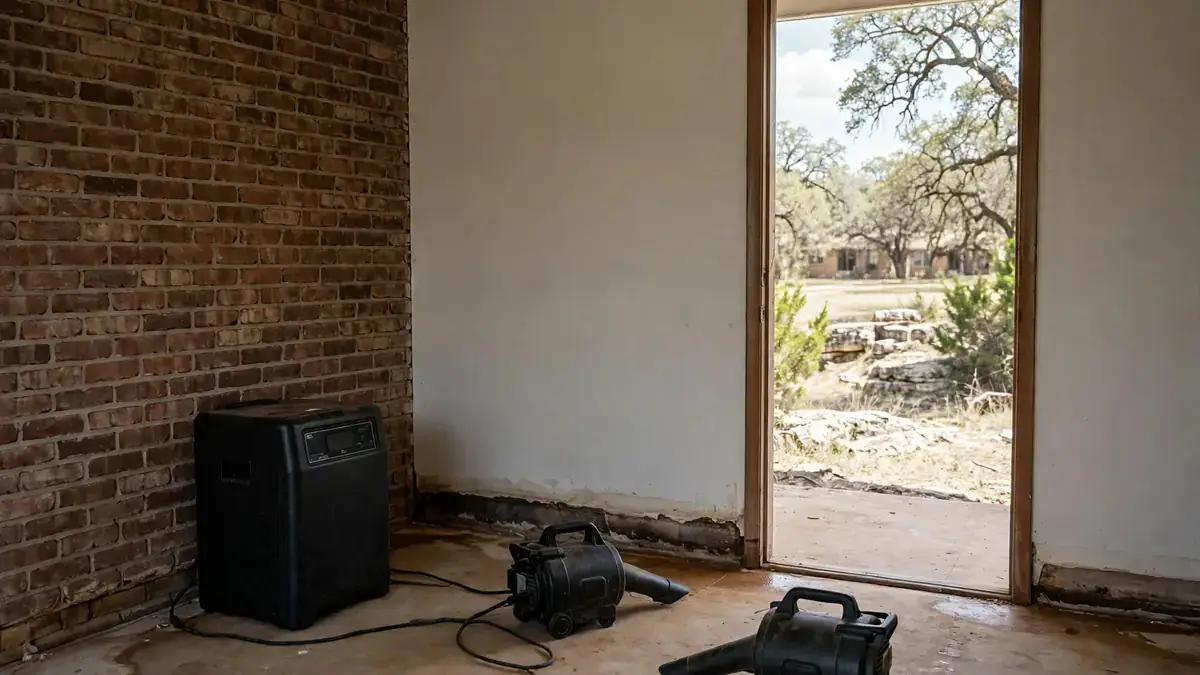
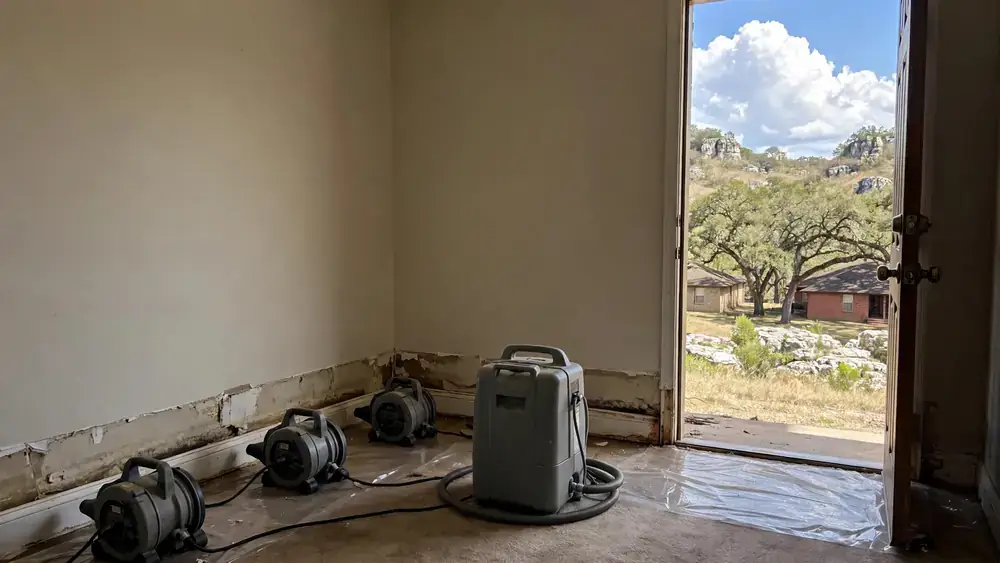
Unlike a family, a business needs a plan for Monday morning. Commercial drying can involve a lot of air movers and dehumidifiers, and these create noise, take up space and may need dedicated circuits. Talk with the building manager and contractor about hours, containment and what can go on outside business time. Some work may need plastic barriers to keep dust and moisture contained. If cutting into walls is part of the plan, ask how neighbors will be protected and how old materials will be handled, since buildings of certain ages may need testing before they are disturbed.
Tell staff clearly what is happening, where to go and who is in charge. If a space may have mold or contaminated water, do not rush people back. The EPA recommends drying within a day or two to reduce mold growth, and Texas has licensing rules for larger mold projects, which the mold rules guide explains. Ask for a written drying record with moisture readings, because your insurer and landlord will probably want to see it. The water extraction page describes the equipment and what a good job should include.
Pre-loss planning for Telecom Corridor businesses
A one-page plan can be the most useful thing a tenant makes this year. List the building manager's day and night numbers, your broker, your IT lead, an electrician, your restoration contact and the city line at 972-744-4111 for water leaks and sewer problems out in the street. Note where staff should gather. Mark the shut-offs you are allowed to use and those you must leave to the building. Make sure at least two people know the plan, so a holiday or a resignation does not take all the information out of the office.
Next look around with fresh eyes. Keep records and valuable stock off the floor. Move anything irreplaceable away from exterior walls and windows. Take photos of each room as it stands today, because a claim is easier when you can show what was there. Ask the landlord for the date of the last sprinkler inspection and roof service. If you are about to sign a lease, ask about water history in the suite and how the building responds out of hours. These are ordinary questions, and a well-run building should have ready answers to them.
Choosing help for a Telecom Corridor water loss
Commercial jobs are different in scale and in paperwork, so ask direct questions. Has the contractor handled occupied multi-tenant offices? Can it provide proof of insurance and meet your building's vendor requirements? Many managed buildings need certificates before anyone can start. Will it register with the city, and who pulls any permit? Richardson contractors must be registered, and Building Inspection can be reached at 972-744-4180. Ask for written scope, daily moisture logs and photos. The contractor guide gives a longer list of questions.
Be clear about authority. In a leased building, a tenant usually should not hire anyone to open walls, ceilings or shared systems without management approval, and an owner's preferred vendor may already be on call. A tenant's own contractor may still be right for furniture, equipment and contents. Sort out who signs what, because signing a work order can make you responsible for payment. Insurance should be told what is happening, and adjusters on both sides may want to inspect before materials are removed. Clear roles at the start prevent most of the disputes that come later.
Which Telecom Corridor address and ZIP do you have?
Because the corridor has no formal boundary, its buildings do not share one ZIP code. Listing addresses show the spread. Palisades Central II on North Central Expressway and the Promenade tower on North Coit Road both carry 75080, Parkview Center on Firman Drive carries 75081, and offices on Lakeside Boulevard and the President George Bush frontage carry 75082. Treat 75080 as the core and confirm your own suite from your lease, not from the district name.
This matters more than it might seem. A dispatcher, an insurer and a contractor all need the exact street address, building name, floor and suite. Large campuses can have several buildings behind one driveway, each with its own loading dock and riser, and a crew sent to the wrong door loses time. Write down which entrance a vendor should use after hours, where to park large equipment and who can open the freight elevator. Add those details to your building contact sheet, so whoever makes the call can give them without searching.
Ground-floor shops and mixed towers in the Telecom Corridor
Not every tenant here sits in a cubicle. The Promenade property on Coit Road is marketed as retail and office together, and buildings of that kind put restaurants, salons or clinics beneath office floors, or office suites above busy kitchens. Each use brings different water. A restaurant adds grease lines, floor drains and heavy plumbing. A clinic adds records and sensitive equipment. A ground-floor shop also meets the parking lot directly, so storm runoff can reach a storefront door with little depth.
If you run a shop, look at the threshold during heavy rain and keep stock on shelving above the floor. Ask whether the rear service corridor has a drain and who clears it. If a tenant above or beside you changes, ask management what plumbing was added, because a new kitchen or wet lab changes your risk. Food businesses should also check with their insurer and the relevant health authority before reopening after contaminated water, since stock that touched it usually cannot be kept. Retailers should record lost stock by item as soon as the area is safe, while the shelves still show what was there.
Older and newer buildings along the Telecom Corridor
A district that began in the late 1950s and boomed in the 1990s holds buildings from many decades, and the same office park can mix them. Age shapes the job. Older suites may contain materials that should be sampled before demolition, while later glass-fronted buildings tend to depend on sealed curtain wall joints that can admit wind-driven rain high above the ground. Ask your manager how old your building is, and what surveys exist, before an urgent tear-out begins.
FAQ
Telecom Corridor office water damage FAQ
What ZIP code is the Telecom Corridor in?
It is a business district, not a ZIP. Office listings commonly place the core in 75080, with some buildings in 75081 or 75082.
Who pays when a Telecom Corridor suite floods from above?
The lease and each party's insurance decide that. Give written notice and report it to your broker.
Can a tenant shut off a Telecom Corridor sprinkler line?
No. Call building management and leave fire system valves to authorized staff or the fire protection contractor.
Does rent stop while a Telecom Corridor office is unusable?
Only if the lease says so. Read the casualty and abatement clauses and ask your attorney about anything unclear.
Can wet ceiling tiles in a Telecom Corridor office be dried?
They usually need replacing. Have the space above them checked too, since the water came through there.
Sources and citations
- [1]Wikipedia: Telecom Corridor
- [2]The Telecom Corridor: history and evolution
- [3]City of Richardson: 24/7 Response Center
- [4]Palisades Central II office listing, 2435 N Central Expressway
- [5]Promenade Retail and Office Tower, 300 N Coit Rd
- [6]Parkview Center, 1819 Firman Dr
- [7]Office building at 2200 E President George Bush Hwy
- [8]City of Richardson: Water utility operations FAQ
- [9]EPA: A brief guide to mold, moisture and your home
- [10]IICRC S500 water damage restoration standard