Key facts: Foxboro Addition
Foxboro Addition roofs take the first hit
Listings on Foxboro Drive show homes from 1980 and 1990, and sizes that can reach well over 3,000 square feet on some lots. Bigger floor plans usually mean more roof, more valleys and more places where one slope meets another. Those joints depend on flashing, and flashing tends to be the weak point rather than the shingles themselves. After a wind-driven storm, a stain may appear somewhere that does not line up with the source, because water can travel along a rafter before it drops.
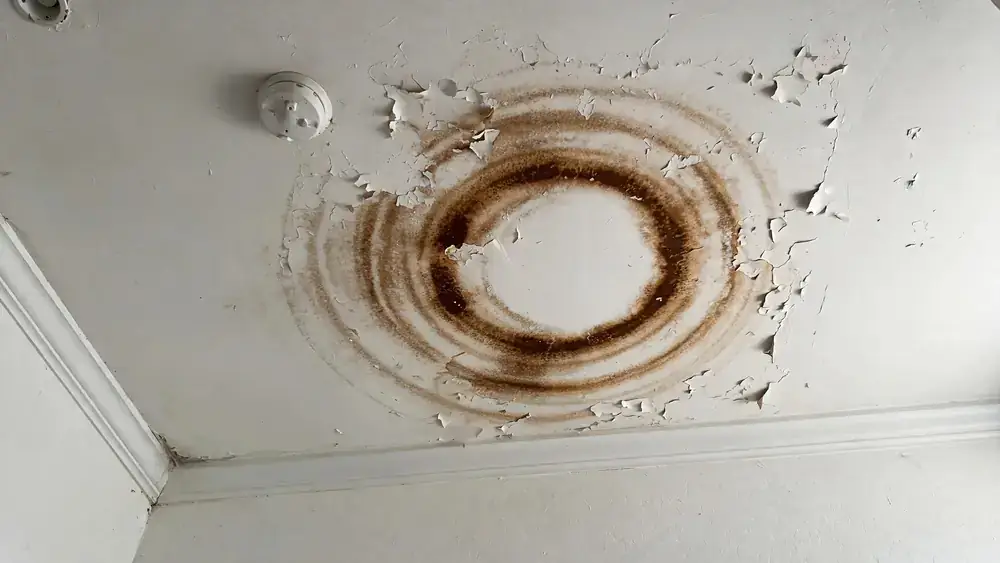
If your Foxboro Addition home has more than one story or a tall entry, a ceiling stain may turn up far below where the water got in. Note which way the rain was blowing when the stain appeared, and whether it grows only in storms. That detail helps a roofer more than you might expect. Put a bucket under any drip and avoid climbing on a wet roof. A small tarp job is a task for someone with the right gear.

Foxboro Addition next to the golf course and Spring Creek
Several listings describe homes close to Sherrill Park Golf Course, and one on Foxcreek Drive mentions being steps from Foxboro Park and a short walk to the Spring Creek Nature Area. That green setting is a large part of the appeal. It also raises a fair question about water. Living near a creek or a course does not mean your house floods, and nothing found for this page reports flooding here. What it does mean is that you should look at the actual map rather than guess.
Enter your address on the FEMA Flood Map Service Center and read the zone for your lot. Then look at the ground. Which way does your yard drain? Does the water leave by the street or through a neighbor's fence? Is there a low strip that stays soggy for days? A flood map shows mapped risk only, and a heavy local downpour can still push water where the map shows none. Your own notes from past storms can be worth more than any general description.
Long gutters on Foxboro Addition houses
Long roof runs collect a lot of water in a short time. If a gutter is undersized, sloped wrongly or packed with leaves, it spills in a sheet right along the foundation. Do that for a few decades and the soil against the slab gets very wet on one side and stays dry on another, which is hard on clay. Mature trees around these lots can also drop leaves and seed pods faster than you expect, so autumn and spring cleaning both matter.
Next time it rains hard, stand under cover and watch the downspouts. Look for spots where water overshoots the gutter at a valley, and where it pools at the outlet. Simple extensions or splash blocks can carry it further away from the house. Those small changes are usually the most useful things an owner can do, and they need no special skills. Take a picture of anything that looks wrong so you can point it out to a gutter installer or roofer later.
Foxboro Addition storm damage by location
| Where you see it | What it may point to | Who to ask first |
|---|---|---|
| Ceiling under a roof valley | Flashing or a worn valley | Roofer, then a moisture check |
| Tall entry or stairwell wall | Water running down a long framing line | Roofer and drying contractor |
| Carpet edge on the low side of a lot | Surface water at the slab line | Drainage contractor |
| Garage floor near the door | Driveway runoff under the seal | Handyman or door installer |
Upstairs bathrooms in Foxboro Addition homes
If your home has a bathroom or laundry on a second floor, water from there has a long way to fall. A supply line to a toilet can soak a subfloor, then run down through a ceiling and light fixture into the kitchen or the family room below. Turn off the power to any fixture that is dripping, and do not use that switch. Large homes also tend to have more than one water heater or longer hot water runs, so a leak can sit in a part of the house nobody visits every day.
Guest rooms and bonus rooms deserve a quick monthly walk-through. Flush the toilets, run the taps and take a look around the base of anything that holds water. Bathrooms that sit idle can develop dry traps that let sewer gas into the house, and a slow leak can go unnoticed for a long time. When you are away for more than a few days, close the main valve if nothing in the home needs it. Ask your irrigation contractor first if the sprinkler system shares that valve.

Foxboro Addition attic systems and condensate
A house of this size may have two AC systems, sometimes both with equipment in the attic. Two systems mean two condensate lines and two pans to maintain. Most of the year this causes no trouble, but in a long hot summer a clogged drain line can overflow with no noise at all. The result is a ceiling stain, often under the unit, and sometimes wet insulation that takes a long time to dry. Ask whoever services your system to check both drains and float switches.
In winter, watch for a different problem. Any water line running through an attic or an outside wall is at some risk during a hard freeze. When the forecast calls for one, open cabinet doors on outside walls and leave faucets dripping as the city or your plumber advises. Know where the main valve is before cold weather arrives. If a pipe thaws and starts spraying, shut the water first and then call, because the burst pipe page only helps once the flow has been stopped.
Slabs and sprinklers around Foxboro Addition lots
Many North Texas homes of this period sit on slabs in expansive clay, though you should confirm what yours has. Irrigation is a local twist. Larger lawns often have sprinkler zones running close to the foundation, and a broken head or a stuck valve can wet one side of the slab for weeks. It can also look like a plumbing leak, because the water meter moves. Before anyone opens a floor, shut the irrigation valve and check whether the meter stops.
If the meter keeps turning with irrigation and all fixtures off, a plumber can look for a pressurized line under the slab. See the slab leak page for how those leaks tend to show up. Check your spray pattern twice a year, too. Heads that hit the brick or a window frame send water where it can get behind the wall, and homeowners rarely see it because the system runs before dawn. Fixing a single nozzle can stop a problem that has been building for years.
Foxboro Addition storm-day checklist
- 1
Move cars and valuables
If water usually rises near your garage, put boxes and tools on shelves before the rain.
- 2
Walk the inside walls
After the storm, check ceilings, tall walls and the low side of the house.
- 3
Stay off the roof
Take photos from the ground and leave wet shingles to a roofer with safety gear.
- 4
Mark any stain
Trace its outline with a pencil and date it, so you can tell if it spreads.
- 5
Call your insurer early
Report what you found and ask what records they want from you.
Drying a large Foxboro Addition room
Open plans, tall ceilings and large living rooms hold a lot of air, and that changes how drying works. A contractor may need more equipment, and may need to wall off an area with plastic so the dehumidifier does not try to treat the whole house. Tall stairwells can move damp air upstairs. If someone suggests a containment, ask why it is needed and how long it should stay up. A good answer should mention readings, not just a number of days.
Drying time depends on materials, how long they were wet and what is behind them. The drying time guide gives a sense of what affects the schedule. Hardwood, built-in cabinets and thick tile beds all take longer than bare drywall, and these features are common in larger homes. Ask for daily moisture logs. They give you a simple record of progress, and your insurer may want to see them when the claim is being reviewed.
Foxboro Addition cleanouts and the city line
A home on a large lot can have a longer sewer run to the main, with more trees and more joints along the way. If several drains slow down together, that points away from a single fixture and toward the main house line. Stop using water, and try to find your cleanout. City guidance is that it maintains the main sewer, while a stoppage between a city-installed cleanout and the house is the owner's to fix. The stoppage guide explains how to tell which is which.
If you see water in the street, call 972-744-4111, which is the city's line for water leaks and sewer problems. One resident review of the area mentions that there are many offices around, and listings mention Cityline within walking distance. New construction and busy roads can bring occasional utility work, so if water pressure changes or the color of your water shifts after nearby digging, it is reasonable to ask the city what is going on before calling out a plumber.
Mold in a bigger Foxboro Addition home
Rooms that are rarely used can hide damp for a long time. A closed guest room with its vents shut may stay cool and humid in summer, and a small roof leak over it can feed mold without anyone noticing. The EPA advises drying wet materials within 24 to 48 hours where possible, and fixing the source before cleaning. Keep air moving through every room and open closed doors occasionally. That is mostly a matter of habit, and it does not take specialist equipment.
If you find growth, try to work out how far it goes before you disturb it. Pulling a stained section of drywall off can release a lot of spores. Larger areas may fall under Texas mold rules, explained in the mold guide. Your insurer may have its own view of how mold fits into a claim. The Texas Department of Insurance notes that policies differ, so read yours rather than assuming that either water or mold is covered.
Keeping records on a Foxboro Addition house
Older roofs and bigger homes make for a longer maintenance history. Keep the date of the last roof, the name of the roofer, the age of each AC system and each water heater, and a simple sketch of where the shut-offs are. Note the irrigation valve as well as the house valve. If you have an alarm or leak sensors, write down who gets alerts. These facts are easy to gather now, and they are surprisingly hard to find when a ceiling is dripping and everyone is in a hurry.
If you are buying here, ask for the full inspection and any past claims history, and bring up the roof age with your own inspector. If you are reroofing or changing plumbing, Building Inspection at 972-744-4180 can answer questions about permits. Use the contractor guide when you are comparing companies, and ask each one to explain who will actually do the work and what written records you will get.
Foxboro Addition homes built ten years apart
Foxboro Drive listings include a home from 1980 and another from 1990, and that decade matters more than it seems. A house from the start of that span may have different pipe, a different water heater setup and a different roof history from one at the end. Do not lean too hard on a neighbor's experience, even on the same long street. Foxboro Drive runs through a wide range of house numbers, so a home in the 2600 block and one in the 3400 block may have little in common beyond the street name.
Start with the year on your own appraisal record, then look for what has changed since. Has the roof been replaced, and when? Are the AC units original, or newer? Has any plumbing been rerouted through the attic? Listings on these streets also describe homes as updated, and new finishes can sit on top of old systems. A renovated kitchen says little about the supply line behind it. Ask your inspector or plumber to look past the surfaces, and keep their notes with the rest of your house records.
Foxboro Addition sections on legal records
Property records use more than one name here. Listings show Foxboro Add Sec One, a tax description reading Foxboro Addition Section Two, and data sites that pair the area with Sherril Park North. Foxboro Drive also has newer addresses listed under other names, such as a Residences at Cityline label on 3441 Foxboro Drive. So the street name alone does not place a home in the addition. Check your deed for the exact section before you look for any deed restrictions, shared drainage easements or plat notes.
That matters when water is involved. A plat can show drainage easements along lot lines, and those strips may limit what you can build or regrade in your own yard. If your plan to fix a soggy side yard involves a new wall, a raised bed or a French drain, look at the easements first and ask Building Inspection at 972-744-4180 what applies. Moving water onto a neighbor's lot can create a new dispute, so talk to them before you start, and get any drainage plan down on paper.
When a Foxboro Addition house is empty all day
A resident review describes the area as very safe but with a lot of offices around, and one Foxcreek listing mentions walking to Cityline. Many people here may spend long days at work or travel often, and an empty house changes the risk from a leak. A burst supply line can run for eight or ten hours before anyone returns. In a large two-level plan, that may mean a soaked floor upstairs, wet ceilings below and water reaching rooms at both ends of the house.
Simple tools help. Small battery leak sensors under sinks, behind the washer, by the water heater and in the AC pan can send an alert to your phone. A smart shut-off valve can go a step further if a plumber fits one on the main line. Ask a neighbor to hold a key, and show them the valve. Before a long trip, turn off the water at the main unless the irrigation depends on it. If you do come home to a wet house, shut off the water first, and take your photos before moving anything.
Note the time you left and the time you returned, because an insurer or contractor may ask how long the water could have been running. On a Foxboro Drive or Foxcreek Drive home of more than 3,000 square feet, that window helps show how far to look. Check the rooms directly below any wet upstairs floor, even when their ceilings still appear dry.
FAQ
Foxboro Addition storm and leak questions
Is Foxboro Addition in 75081 or 75082?
Listings on Foxboro and Foxcreek Drive show 75082. This page is written for that ZIP.
Does living near Spring Creek put my Foxboro home in a flood zone?
Not necessarily. Look up your exact address on the FEMA map service and note how water moves on your lot.
Why is my Foxboro Addition meter moving when nobody is home?
Check irrigation first. If the meter still moves with it off, a plumber can look for a hidden leak.
My ceiling stain is far from the roof leak. Is that normal?
Yes, it can be. Water often follows framing before it drops, so the stain may not sit under the entry point.
How often should Foxboro Addition gutters be cleaned?
At least after the autumn leaf drop and again in spring, and more often under heavy trees.
Sources and citations
- [1]Addresses on Foxboro Drive, Richardson
- [2]Listing: 2608 Foxcreek Drive
- [3]City of Richardson: 24/7 Response Center
- [4]Trulia: Sherril Park North and Foxboro Addition
- [5]Orchard: 2800 Foxboro Drive
- [6]FEMA Flood Map Service Center
- [7]City of Richardson: Water utility operations FAQ
- [8]Texas Department of Insurance: Water damage and mold coverage
- [9]EPA: A brief guide to mold, moisture and your home